Not sure which process fits your bore? Workpiece Selector
Start with the workpiece. Enter the starting condition, finished diameter, machining depth, geometry, surface requirement and production target. The result is preliminary and requires drawing review.
Regional machinery partner? Authorized Representative Program
Guanghe is evaluating qualified machinery representatives and application partners in selected markets. Territory and authorization are confirmed only through a written agreement.
Home / Products / Deep Hole Drilling & Boring Machines
Drilling, boring and optional finishing routes
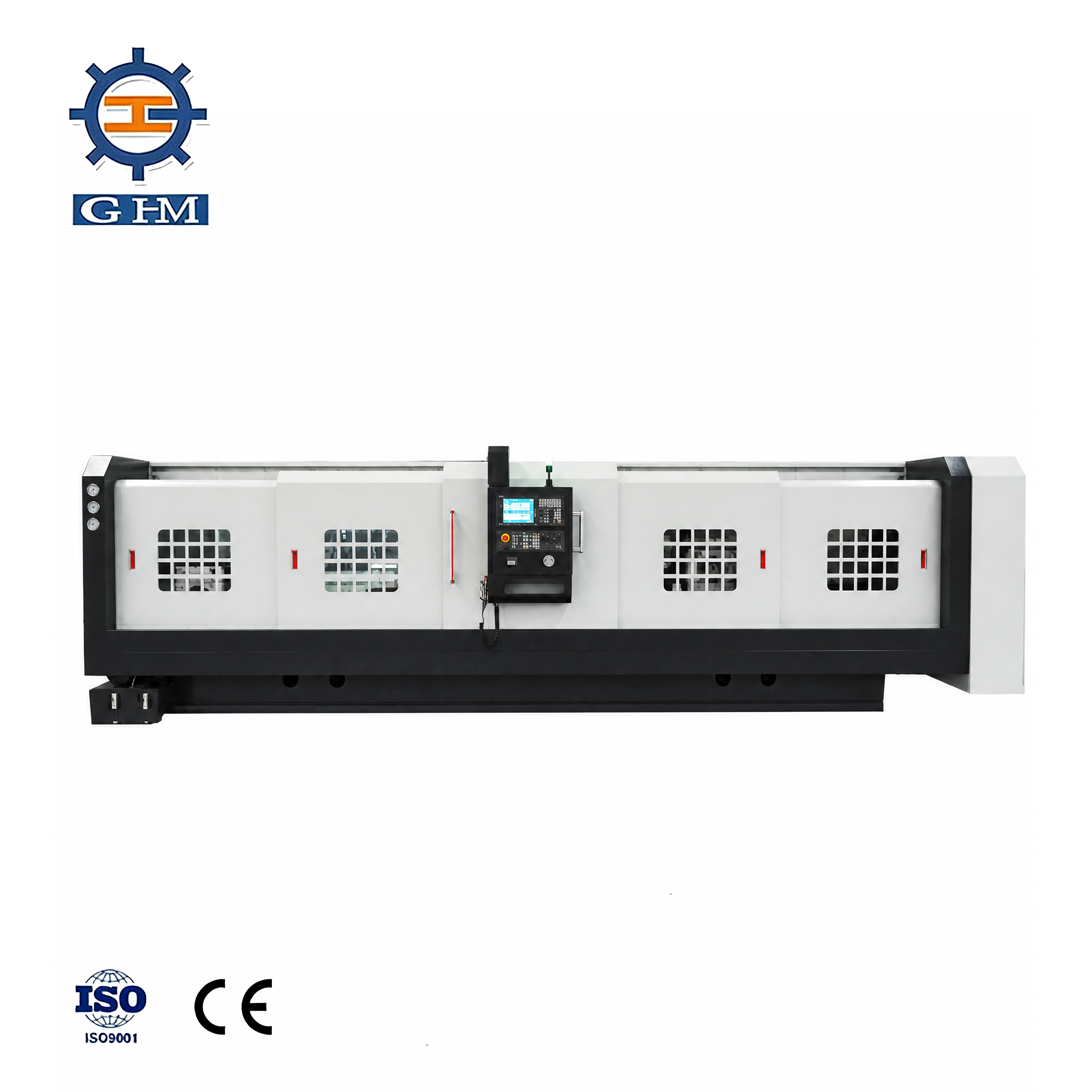
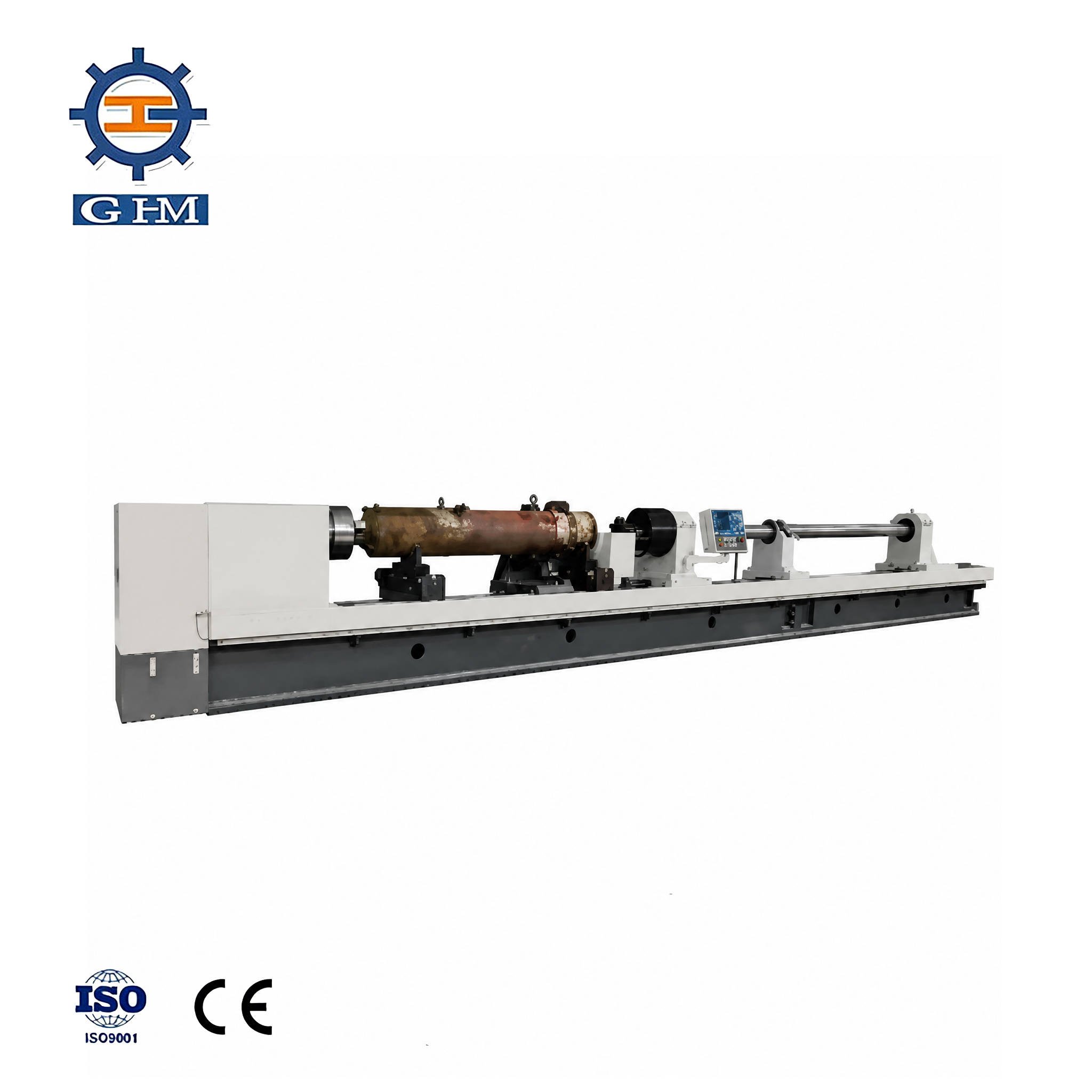
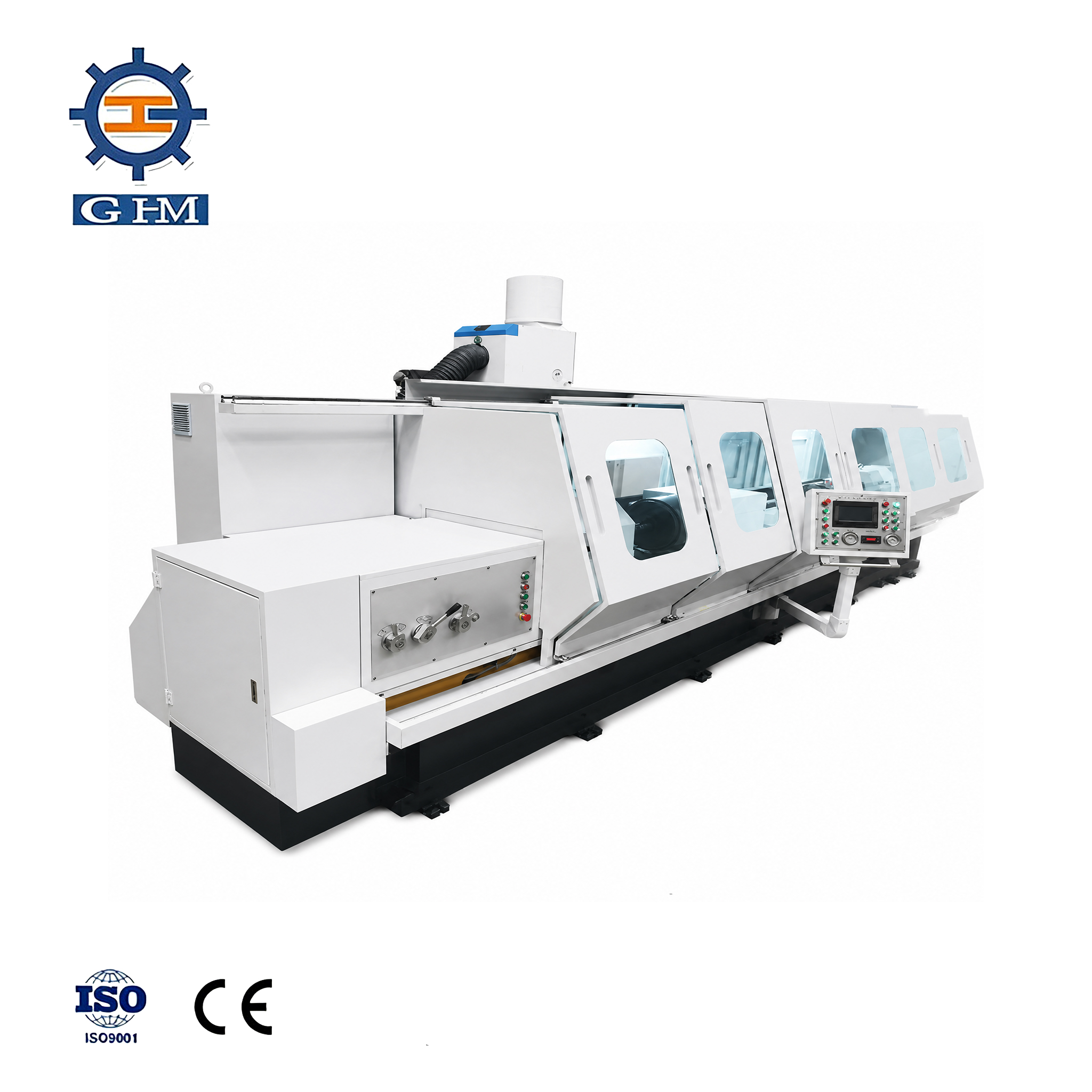
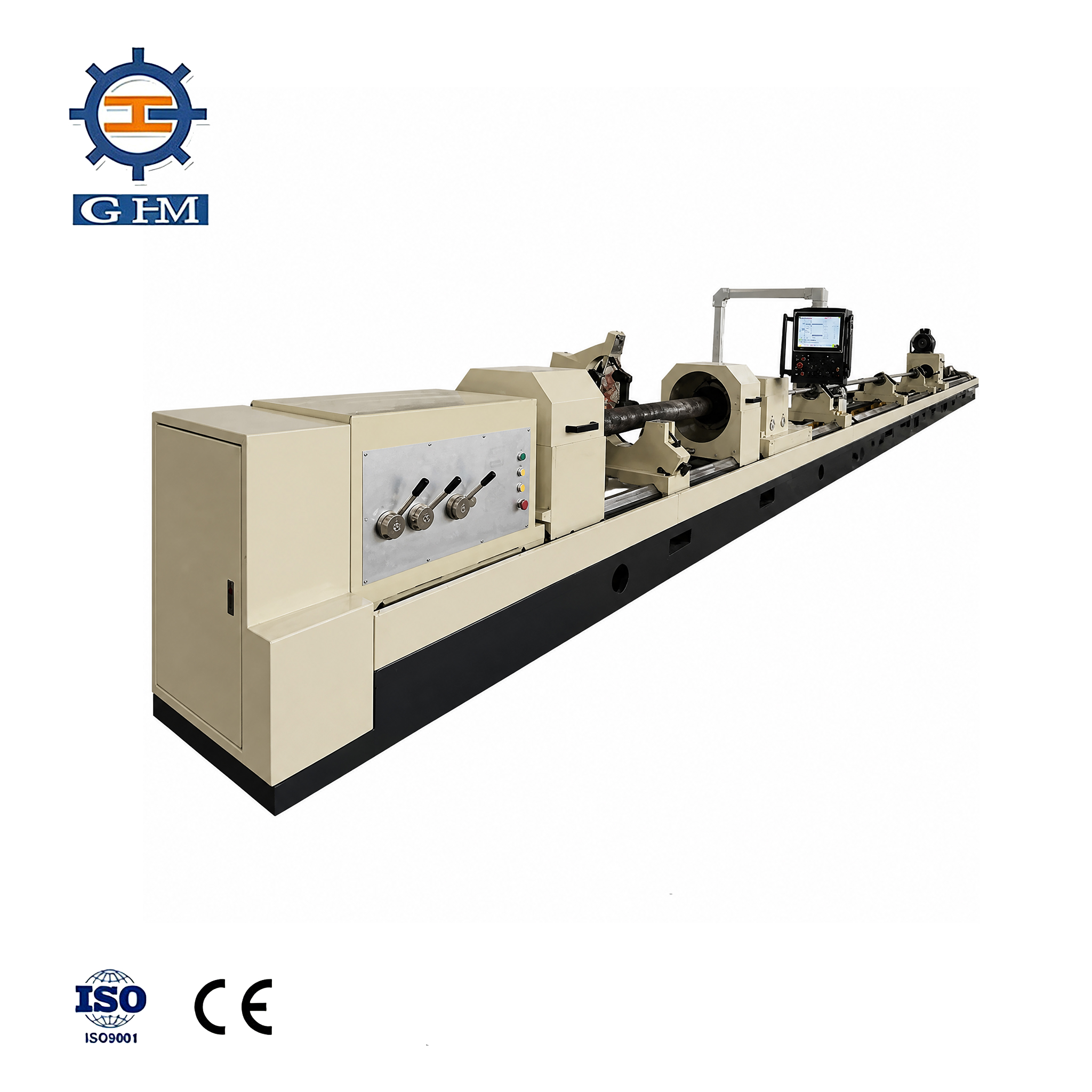
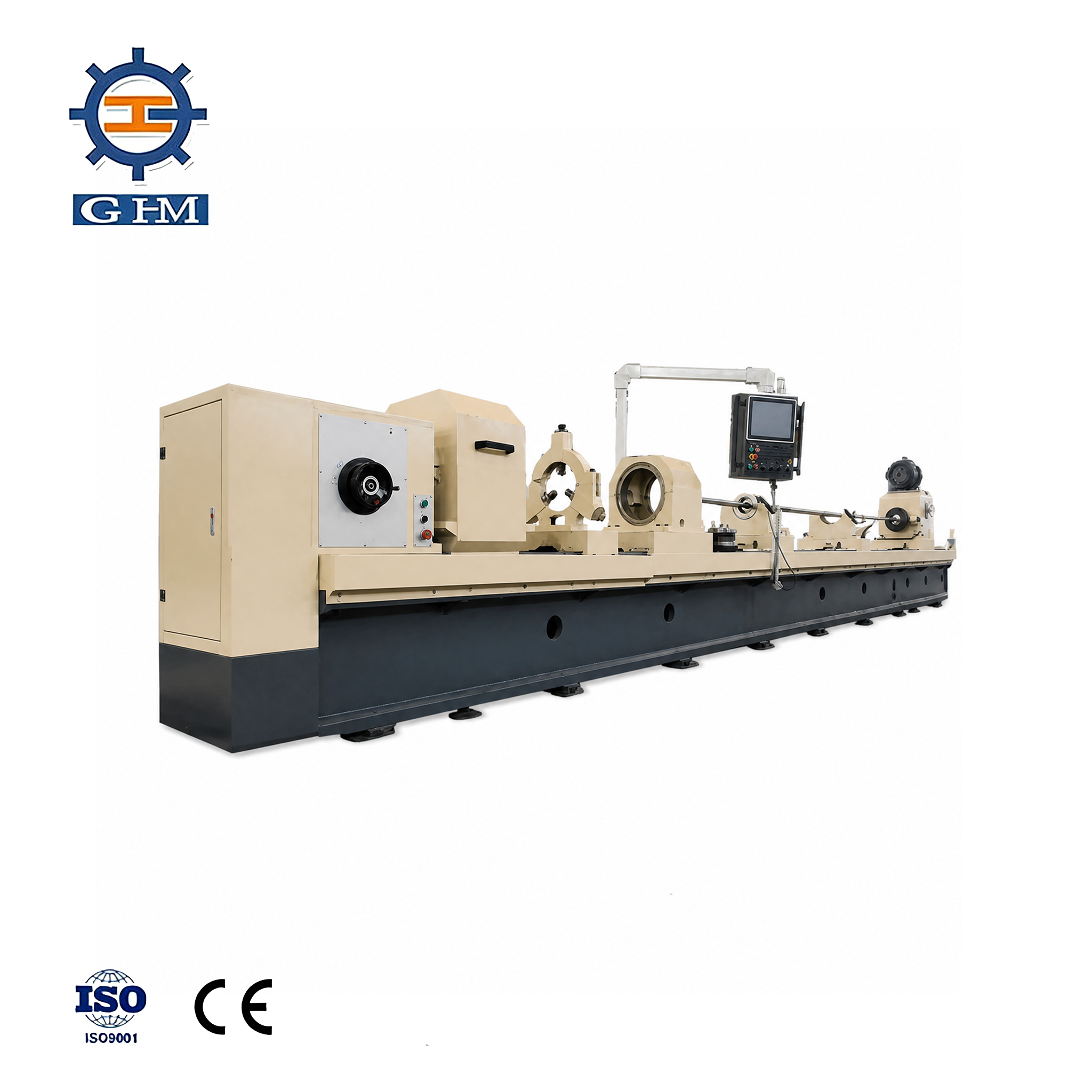
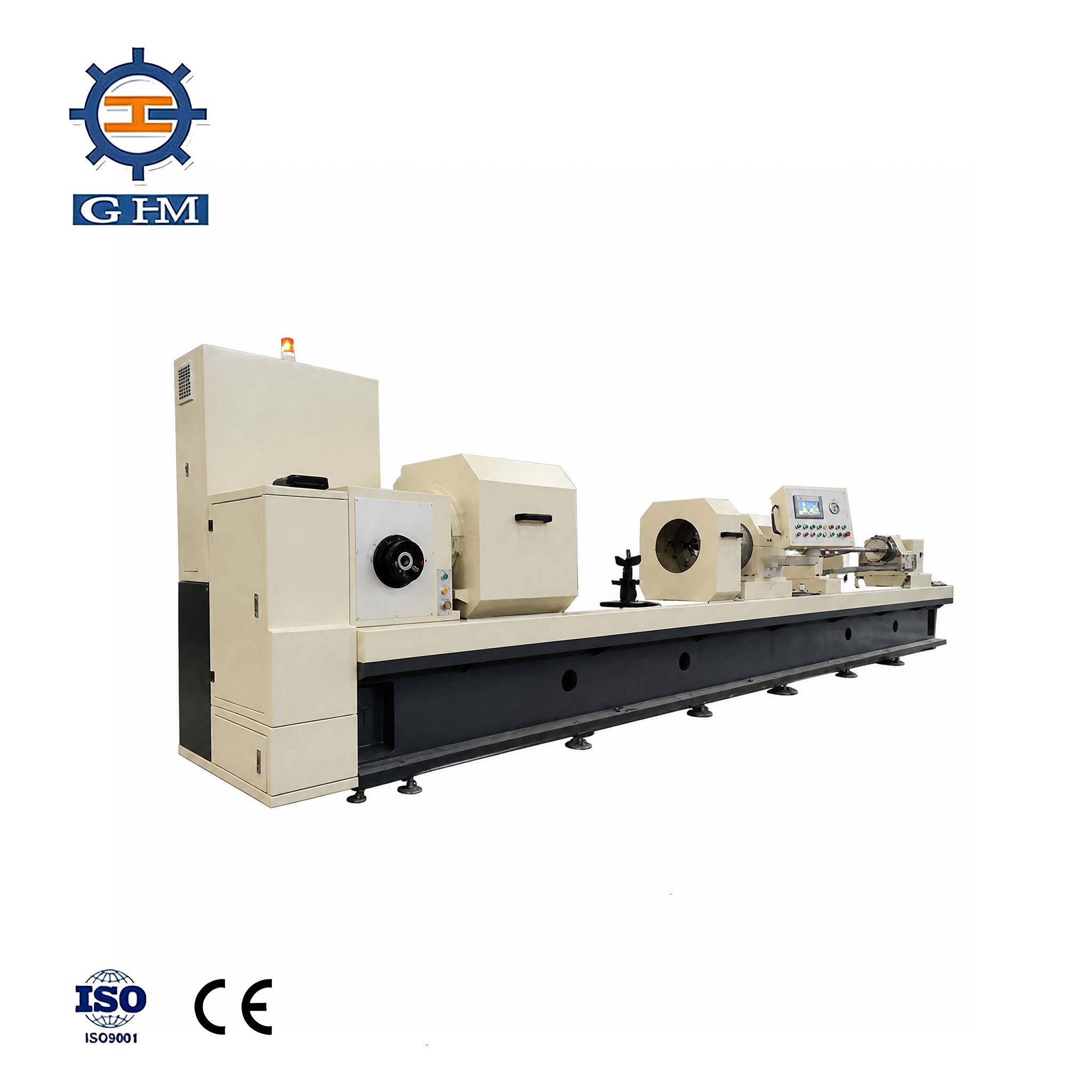
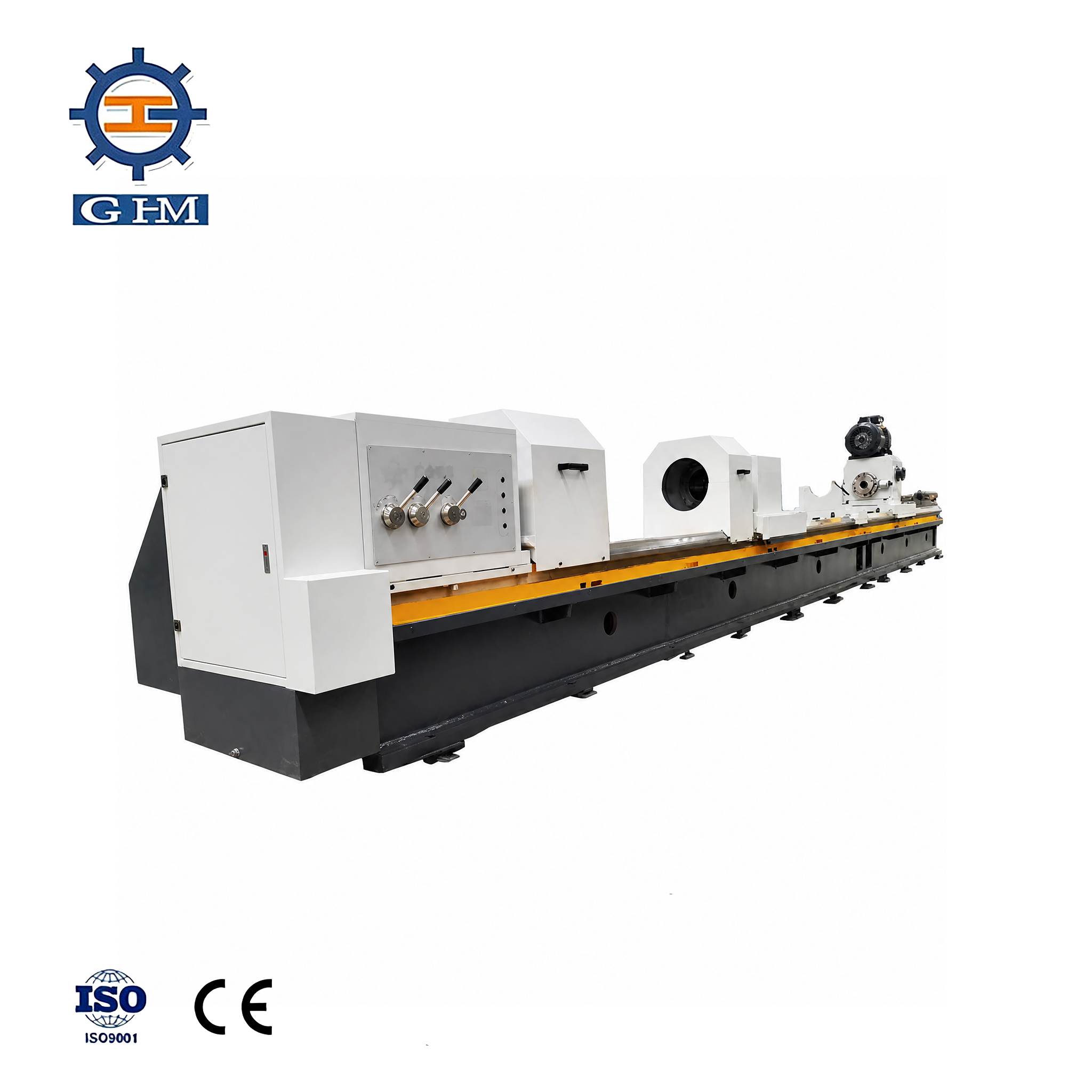
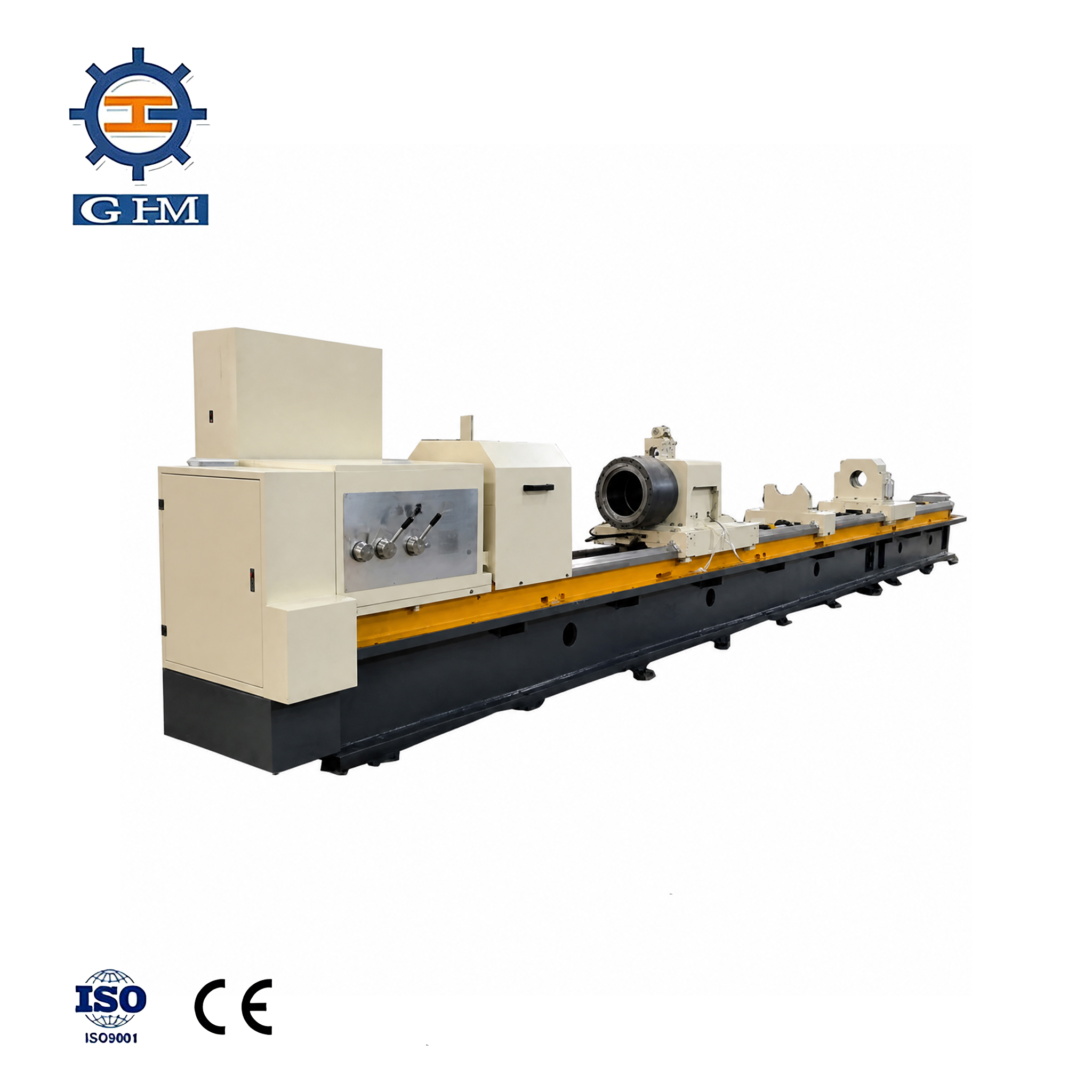
Deep Hole Drilling & Boring Machines Configured Around the Starting Bore
Review the solid or existing bore, finished diameter, depth, stock allowance, rotation, support arrangement and inspection requirements before selecting a machine family.
BTA Deep Hole Drilling Machine — Application Review
BTA is a single-tube deep-hole drilling process with external coolant supply and internal chip removal. For a BTA deep hole drilling machine enquiry, send your drawing, material, hole diameter and drilling depth. Machine configuration, tooling and coolant-system compatibility are subject to project-specific technical confirmation.
This family is considered for long workpieces that require drilling, enlargement, boring or a combined route. The starting bore and material to remove are as important as the finished size.
Good starting fit
Long cylindrical parts
A bore requiring drilling and/or enlargement
Workpieces needing controlled support and guidance
Projects with defined allowance and inspection requirements
Review alternatives or special engineering when
Only light final finishing remains
Thin-wall parts lack adequate support
Interrupted or non-cylindrical features affect the tool path
The incoming bore condition or allowance is unknown
Inputs That Define the Machine and Process Route
Starting condition and material
Solid, cast, forged, drilled or rough-bored condition
Starting and finished diameters, depth and allowance
Material, hardness, wall thickness, OD, weight and rigidity
Drill, bore, counter-bore, trepan or rolling requirement
Support, quality and production
Tool, workpiece or combined rotation
Center height, rests, clamping, guide and sealing
Roundness, cylindricity, straightness, surface and inspection method
Coolant, filtration, chip removal, loading and output
Reference Configurations for Initial Comparison
Reference configuration
Drilling diameter
Maximum boring diameter
Reference depth
TK2120 × 2 m
Ø30–80 mm
Ø200 mm
2,000 mm
TK2120A × 2 m
Ø30–100 mm
Ø200 mm
2,000 mm
These are current reference values, not a universal capability envelope. Geometry, surface, accuracy and cycle results depend on starting bore, material, allowance, tool, coolant, support and inspection length.
The Finished Diameter Does Not Select the Machine by Itself
Starting from solid
Review drilling method, guidance and chip evacuation.
Starting from an existing bore
Review allowance, incoming geometry and boring tool access.
Requiring final surface work
Decide whether rolling, SRB or honing belongs in the same or a following process.
Long or heavy workpiece
Define rotation, supports, center height, loading and safety boundaries.
Define the Acceptance Method Before Quoting Performance
Identify the sample workpiece, starting condition, tool, allowance, measurement length, datum, instrument, temperature condition and permissible results. Values without those conditions remain references, not guarantees.