Not sure which process fits your bore? Workpiece Selector

Start with the workpiece. Enter the starting condition, finished diameter, machining depth, geometry, surface requirement and production target. The result is preliminary and requires drawing review.

Open the 2-Minute Selector
Regional machinery partner? Authorized Representative Program

Guanghe is evaluating qualified machinery representatives and application partners in selected markets. Territory and authorization are confirmed only through a written agreement.

Apply for Representation

Home / Products / CNC Skiving & Roller Burnishing Machines

Cylinder-tube bore sizing and surface finishing

Skiving & Roller Burnishing Machines Selected by Starting Bore, Allowance and Wall Condition

A suitable SRB route starts with the tube condition, not the final diameter alone. Provide stock type, material, hardness, wall, starting bore, allowance, depth, target surface and production requirement.

Is SRB Suitable for the Workpiece?

Skiving and roller burnishing is evaluated for efficient sizing and surface finishing of compatible cylindrical bores from a controlled starting condition.

Good starting fit

  • Through cylindrical bores
  • Hydraulic-cylinder and compatible precision-tube applications
  • Stable allowance around the bore
  • Material and wall condition compatible with cutting and burnishing
  • Repeat production with a defined takt target

Review another or combined route when

  • The bore is blind, stepped or interrupted
  • Incoming bend or geometry error exceeds corrective allowance
  • Wall thickness is insufficient or inconsistent
  • Material condition is unsuitable for burnishing
  • Geometry or texture is better controlled by honing

Inputs That Change the SRB Tool and Machine Configuration

Tube and bore condition

  1. Cold-drawn, hot-rolled or pre-machined tube
  2. Material, hardness and heat treatment
  3. OD, wall thickness, straightness and clamping length
  4. Starting bore, finished bore and allowance variation

Process and output

  1. Depth, exit and tool-overrun condition
  2. Tolerance, roundness, cylindricity and texture
  3. Coolant, filtration, chips and cleanliness
  4. Quantity, takt, loading, gauging and automation

Reference Configurations for Engineering Review

Reference configurationBore rangeReference depthCurrent website reference
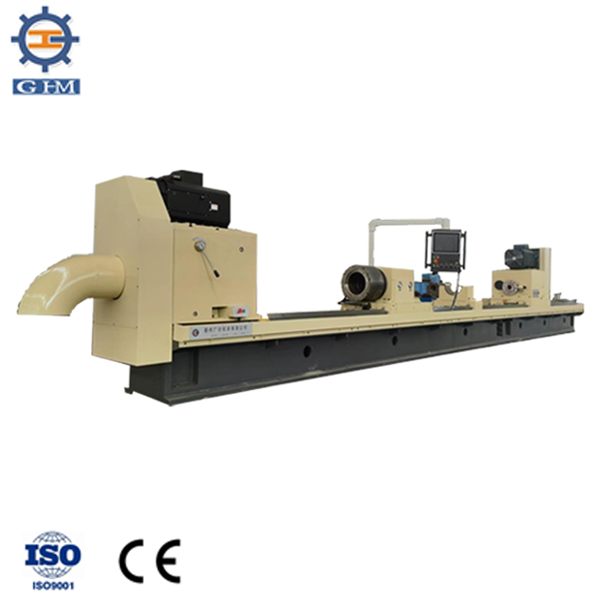
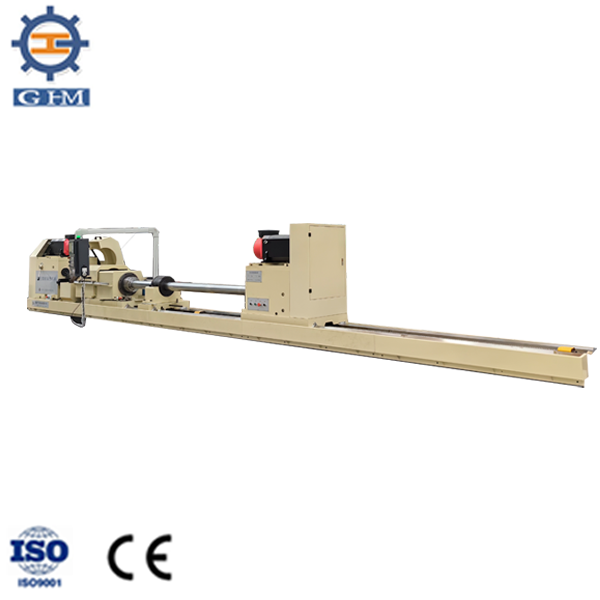
TZK32A/1 × 4 mØ40–320 mm300–4,000 mmIT7–IT9 and Ra 0.2–0.4 μm after SRB are page references.
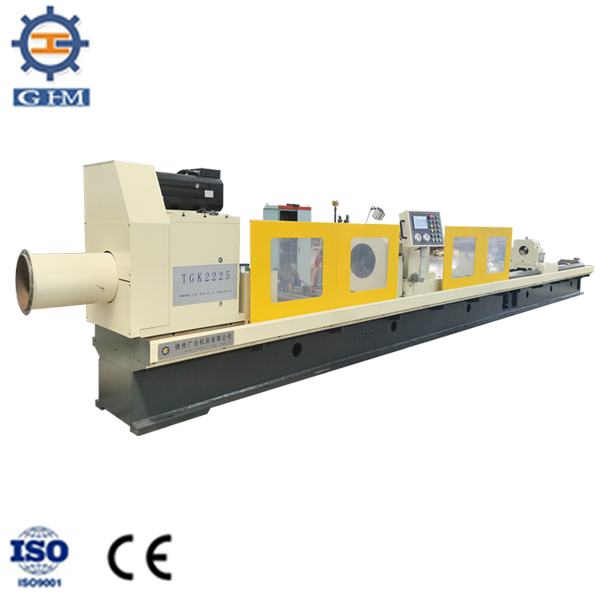
TGK2120 × 6000Ø40–200 mmUp to 6,000 mmThe page lists finishing, rolling and roundness references.

Reference performance depends on stock type, material, hardness, wall, allowance distribution, tool, coolant and inspection method.

From Incoming Tube to an SRB Proposal

1. Verify the tube

Stock type, hardness, wall, straightness and starting bore.

2. Define allowance

Nominal stock and variation along the length.

3. Review the tool route

Skiving, burnishing, coolant, filtration and exit.

4. Agree the result

Measurement locations, geometry, surface and sample.

SRB or Honing? The Starting Condition Decides

SRB is reviewed for efficient sizing and burnishing when the incoming bore and allowance are compatible. Honing is reviewed when controlled geometry correction or a specified final texture is the primary requirement. Some parts require boring before either route.

Ask for a Process Comparison

SRB Engineering FAQ

Can a cold-drawn tube go directly to SRB?

Only after material, straightness, wall, starting bore and allowance variation are reviewed.

Can a hot-rolled tube be processed in one stage?

It may require preliminary boring or another preparation step. The starting condition must be measured.

Is a specific Ra guaranteed in one pass?

No. Website values are references. Guaranteed results require signed project conditions.

What drawing data is most important?

Show the bore, entry and exit, OD, wall, clamping area, starting and finished sizes, quality requirements and quantity.

Engineering review

Review Your Cylinder-Tube Application

Send the tube specification, wall, starting and finished bores, allowance, depth, surface requirement, takt and drawing.
For security, provide a share link to the drawing. Do not include confidential information until the required confidentiality terms are agreed. Form values are sent to Guanghe for this engineering enquiry and are not copied into GA4.

Send Workpiece Drawing

Reference Machine Pages

Road 1 page 4 strip

Leave Your Message


Send Workpiece Drawing