


Deep Hole Honing Machine Industry Whitepaper: How Intelligence and High-Precision Are Reshaping Heavy Manufacturing
Deep hole honing machine, CNC honing machine, horizontal honing machine, deep hole processing equipment, smart manufacturing, cross-hatch angle.
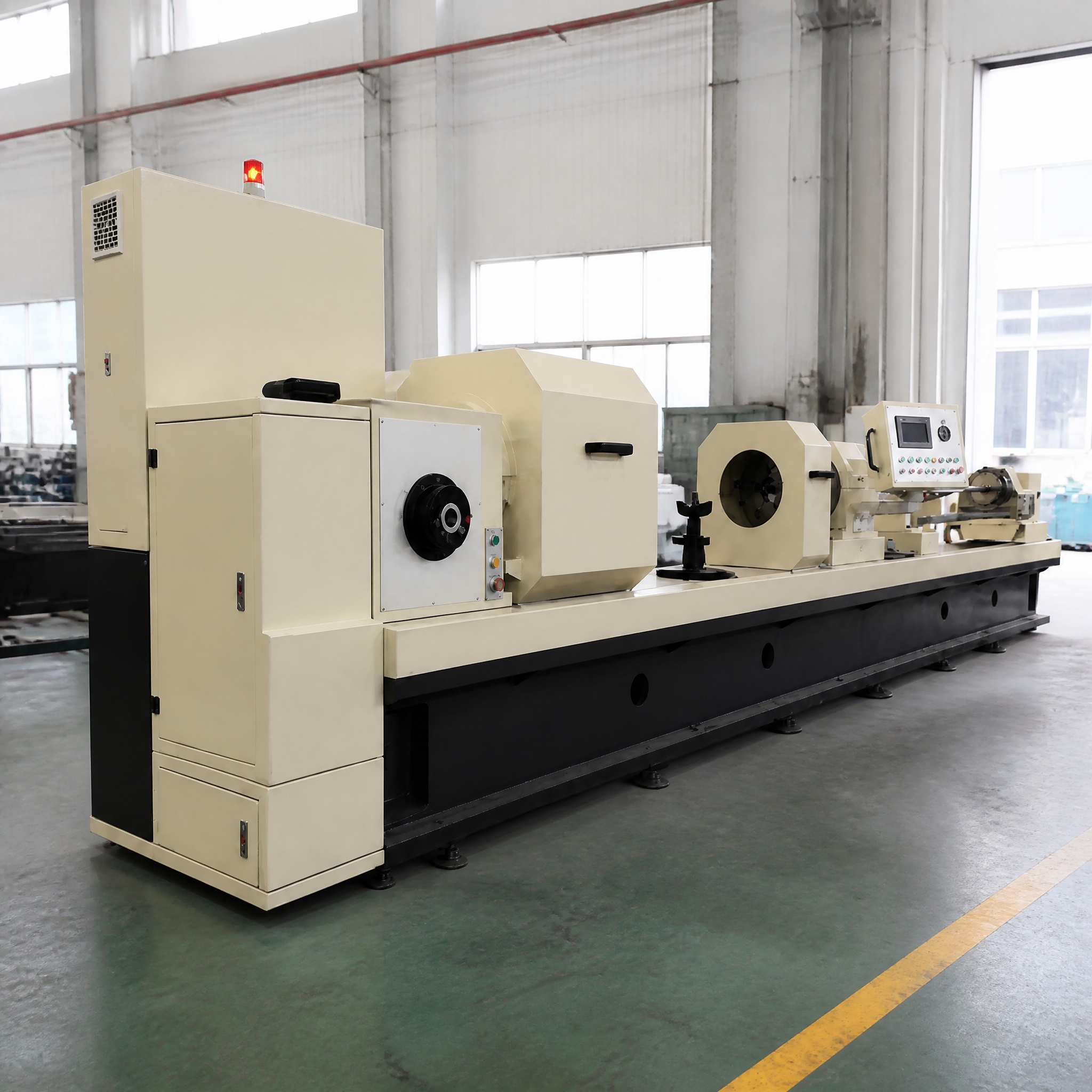
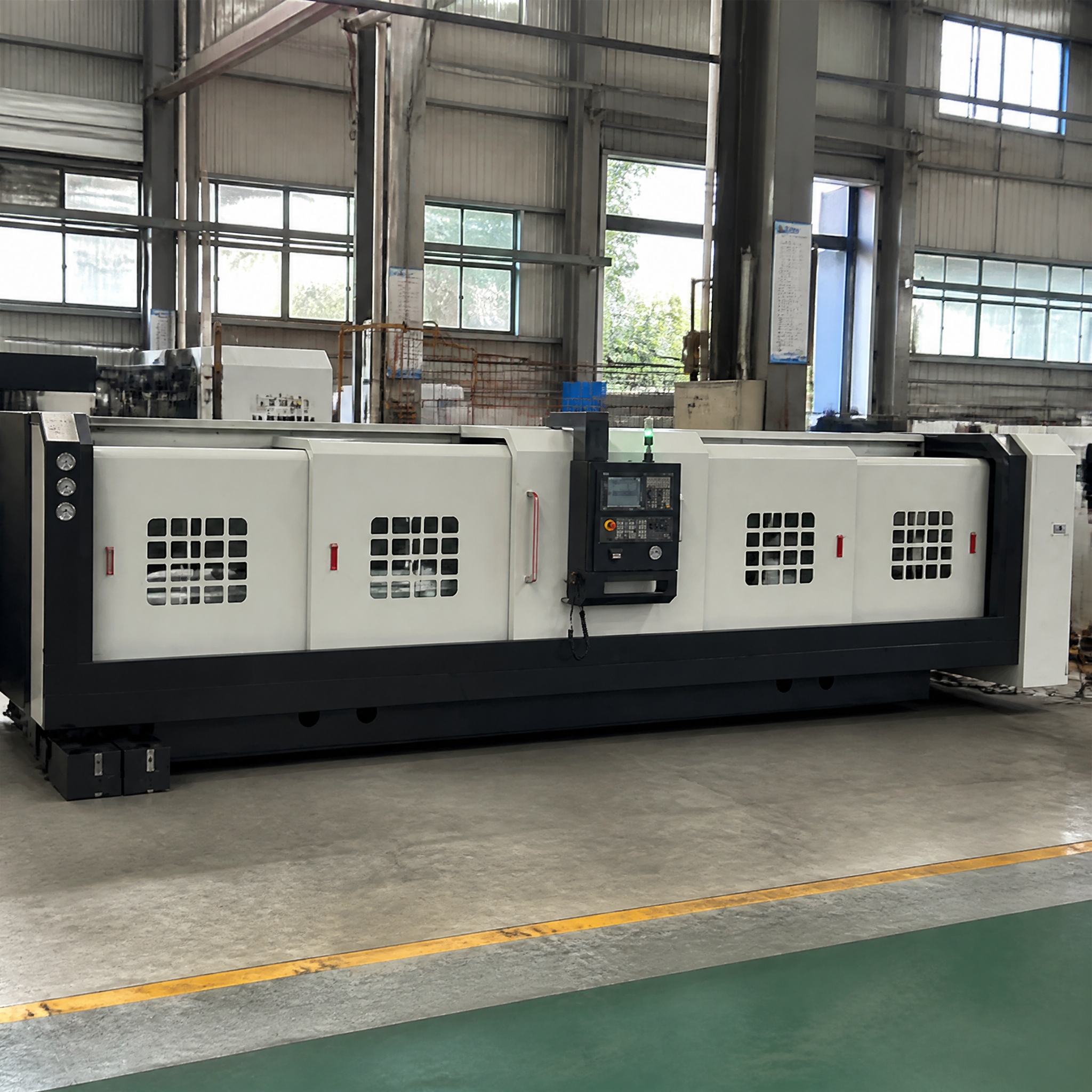
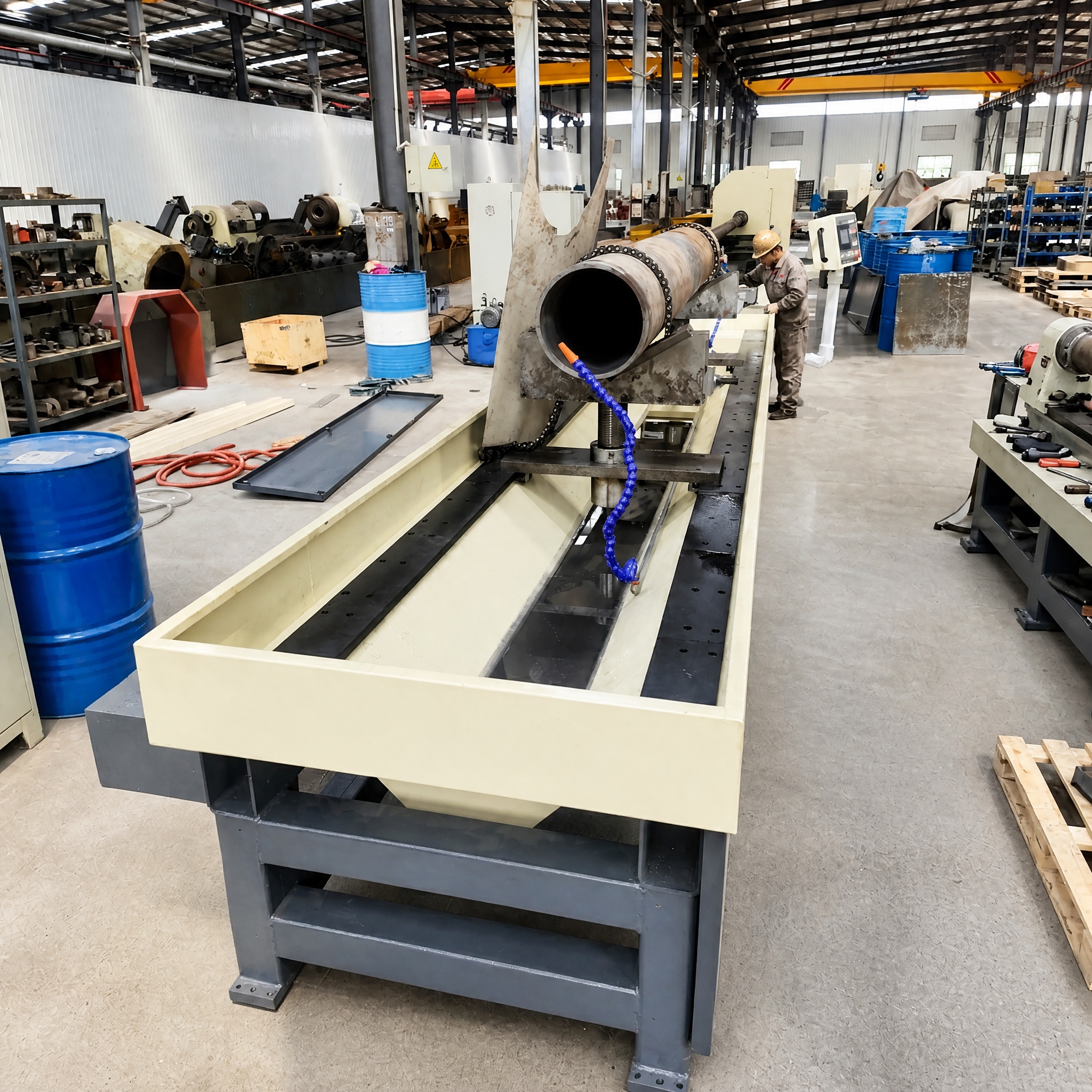
As tolerances for critical components in aerospace, oil drilling, heavy hydraulics, and defense industries tighten into the sub-micron realm, the deep hole honing machine—the absolute core equipment for internal diameter (ID) superfinishing—is undergoing a profound technological revolution.
Driven by Automation and Industry 4.0, global demand for high-performance CNC deep hole honing machines has surged dramatically. This trend is fueled not just by the recovery of heavy industrial sectors, but by the widespread replacement of labor-intensive legacy equipment with intelligent, fully automated CNC platforms.
1. Breaking Engineering Bottlenecks: Core Advances in Modern CNC Honing Systems
Traditional deep hole processing has long been plagued by inherent challenges such as heat dissipation failures, inefficient chip evacuation, and unpredictable bore taper over long strokes. Next-generation deep hole honing machines solve these fundamental roadblocks through three pillars of technological innovation:
In-Process Gaging & Real-Time Size Control: Advanced machines feature integrated pneumatic or electronic measuring systems that gauge the bore mid-stroke. The system automatically regulates the expansion and retraction of the abrasive stones without stopping, maintaining absolute diameter uniformity across lengths exceeding several meters.
Servo-Controlled Constant Pressure Expansion: Moving away from antiquated mechanical links or inconsistent hydraulic expansion, modern deep hole processing equipment utilizes high-precision servo systems to apply uniform force on the stone holders. This compensates for variations in material hardness, eliminating out-of-roundness and barrel defects.
Multi-Axis Synchronized Kinematics: By digitally coupling linear stroke acceleration with spindle rotation speed, operators can achieve the precise cross-hatch angle required for specific heavy-duty applications. This optimizes oil retention and dramatically extends the operational lifespan of high-pressure hydraulic cylinders.
2. Architectural Evaluation: Horizontal vs. Vertical Honing Configurations
Manufacturing facilities evaluating critical floor investments must correctly choose between a horizontal honing machine and a vertical setup. The operational choice dictates the ultimate capability profile of the production line:
| Engineering Attribute | Horizontal Deep Hole Honing Machine | Vertical Deep Hole Honing Machine |
| Stroke & Length Capacity | Exceptional (Typically covers 1 meter to over 12+ meters) | Limited (Strictly confined by factory ceiling heights, usually under 2 meters) |
| Primary Applications | Marine liners, oil & gas drill pipes, landing gears, heavy cylinders | Automotive engine block sleeves, short compressors, highly compact valves |
| Deflection & Gravity Correction | Relies on adjustable steady rests and precision external guide bushes | Gravity naturally aligns the tool path, avoiding lateral sag entirely |
| Part Loading Profiling | Suited for extremely long, crane-loaded cylindrical assemblies | Optimized for rapid indexing tables and robotic pick-and-place lines |
3. Green Industry & Connectivity Trends Driving the Market
Aligned with global carbon-neutral mandates and Industry 4.0 infrastructure, the honing sector is witnessing a rapid deployment of ecological and digital upgrades:
Minimum Quantity Lubrication (MQL) Deployment
Historically, deep bore machining consumed enormous volumes of petroleum-based sulfurized honing oils to flash out fine metal grit. Modern systems utilize advanced MQL technology or biodegradable synthetic coolants. This minimizes oil fluid consumption by up to 80%, optimizes operational safety, and complies with stringent environmental regulations without compromising tool longevity.
Digital Twins and Predictive Maintenance Networks
By streaming real-time torque, vibration, and thermal harmonics via integrated IoT sensors directly into edge-computing systems, contemporary machines eliminate catastrophic failures. Algorithms interpret data variations to forecast stone wear and guide-way degradation precisely, cutting unplanned production downtime by approximately 35%.
4. Industry Conclusion and Strategic Growth Outlook
The modern deep hole honing machine has transitioned from a purely mechanical abrasive tool into a closed-loop cyber-physical system. As industrial engineering sectors push the boundaries of system operating pressures, investing in robust, data-connected CNC honing infrastructure stands as a vital strategy for tier-one manufacturers to secure market leadership.
 Visit Us at IMTEX 2027
 Next-Gen Skiving and Roller Bu
 Next-Gen Deep Hole Gun Drillin
 Deep Hole Honing Machine Indus